Search engine optimization remains one of the highest-leverage skills for anyone trying to grow an audience online. Algorithms change constantly, but the underlying goal never does: help search engines understand your content so they can put it in front of the people who need it. Here’s a practical rundown of what actually moves the needle today.
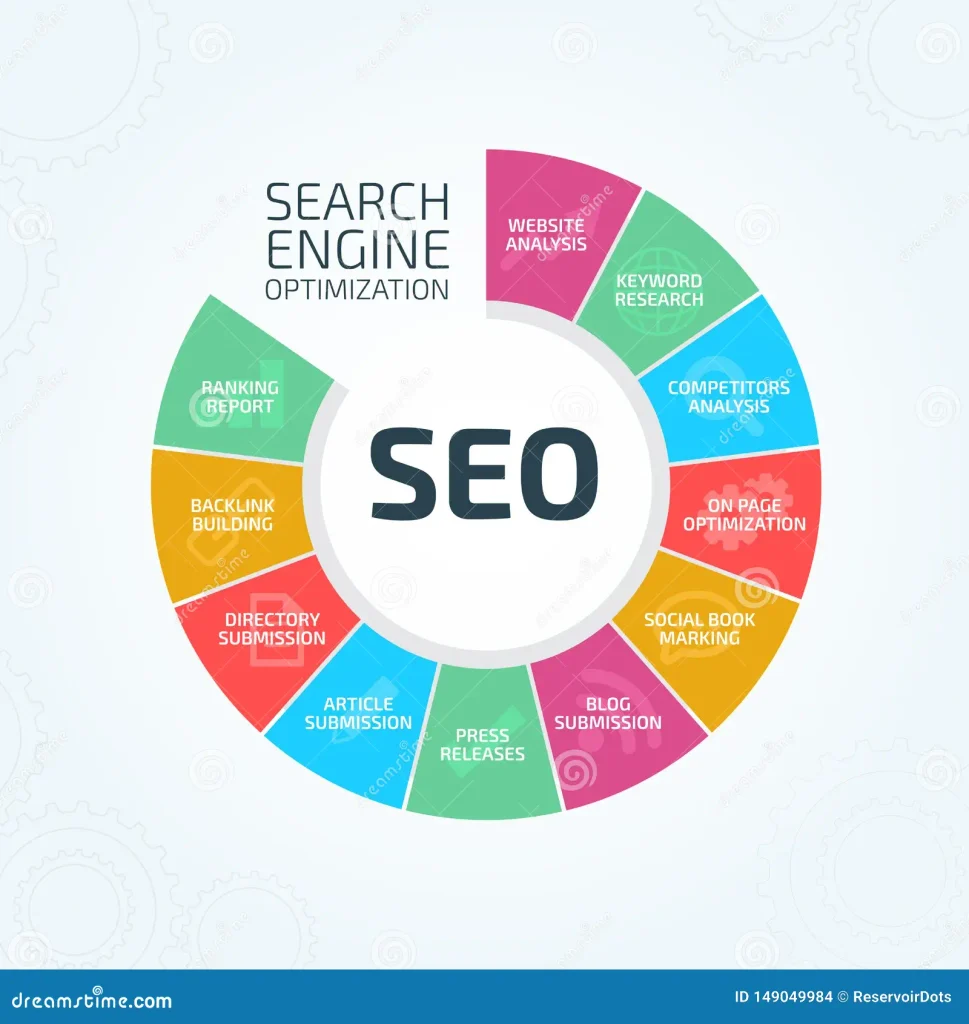
1. Start With Keyword Research
Before you write a single word, figure out what your audience is actually typing into Google. Good keyword research balances three things:
- Search volume – how many people are searching for this term
- Competition – how hard it will be to rank for it
- Intent – whether searchers want information, a product, or a specific website
Long-tail keywords (longer, more specific phrases) tend to convert better and are easier to rank for than short, generic terms. Tools like Google Keyword Planner, Ahrefs, or Semrush can help you find gaps your competitors haven’t filled yet.
2. Optimize On-Page Elements
Once you know your target keyword, weave it naturally into these key spots:
- Title tag – keep it under 60 characters and lead with the keyword when possible
- Meta description – a compelling 150–160 character summary that earns the click
- H1 and subheadings – structure your content logically for both readers and crawlers
- URL slug – short, descriptive, and keyword-relevant
- Image alt text – describes the image and supports accessibility and image search rankings
Avoid keyword stuffing. Modern search engines reward content that reads naturally and answers the searcher’s question thoroughly.
3. Build High-Quality Backlinks
Backlinks are still one of the strongest ranking signals. A link from a reputable, relevant site tells search engines that your content is trustworthy. Effective link-building tactics include:
- Guest posting on respected industry blogs
- Creating original research or data that other sites want to cite
- Reaching out to sites that mention your brand without linking, and asking for a link
- Fixing broken links on other sites by suggesting your content as a replacement
Quality beats quantity every time — a handful of links from authoritative sites will outperform hundreds of links from low-quality directories.
4. Prioritize Technical SEO
Content and links matter, but they can’t overcome a technical foundation that’s broken. Make sure your site:
- Loads quickly on both desktop and mobile
- Uses HTTPS
- Has a clean, crawlable site structure with an XML sitemap
- Is fully responsive and mobile-friendly
- Avoids duplicate content issues with proper canonical tags
Running a regular technical audit with tools like Google Search Console or Screaming Frog will catch issues before they hurt your rankings.
5. Focus on User Experience and Content Quality
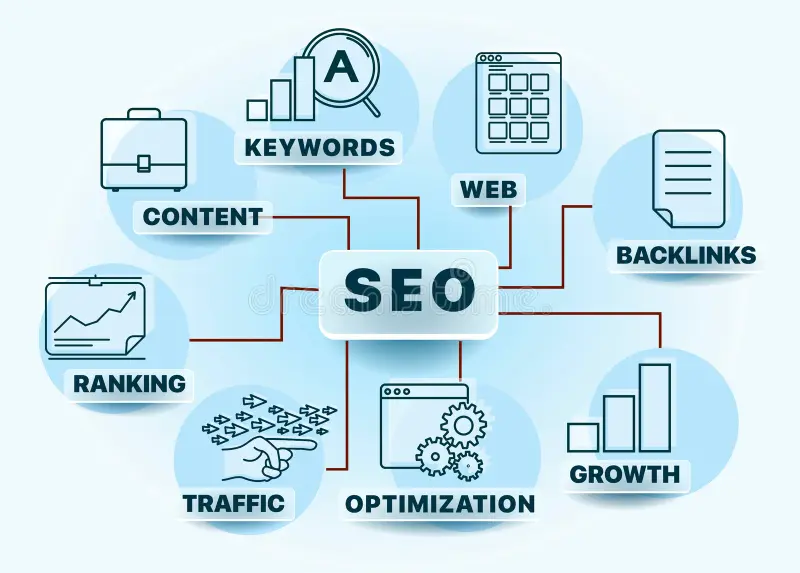
Search engines increasingly reward content that keeps users engaged. That means:
- Writing for humans first, algorithms second
- Structuring content with clear headers, short paragraphs, and useful visuals
- Answering the searcher’s question as completely and clearly as possible
- Keeping bounce rates low by making your page easy to navigate
Google’s emphasis on E-E-A-T (Experience, Expertise, Authoritativeness, Trustworthiness) means demonstrating real expertise and citing credible sources matters more than ever, especially for topics related to health, finance, and safety.
6. Track, Measure, and Iterate
SEO isn’t a one-time project — it’s an ongoing process. Use analytics tools to monitor:
- Organic traffic trends
- Keyword rankings over time
- Click-through rates from search results
- Bounce rate and time on page
Regularly revisit and update older content. Refreshing outdated statistics, adding new sections, and improving internal linking can give old posts a meaningful ranking boost without starting from scratch.
Final Thoughts
SEO success comes from consistency, not shortcuts. Focus on genuinely useful content, a technically sound website, and a steady stream of quality backlinks, and search engines will reward you over time. The sites that win long-term are the ones that treat SEO as a byproduct of serving their audience well — not a game to be gamed.